
tRNA sequencing
The new frontier of ncRNA in precision medicine and drug discovery
Transfer RNAs (tRNAs) are small, highly structured non-coding RNA molecules that serve as the essential adaptors of protein synthesis, linking the genetic information within mRNA to the amino acid sequence of the growing protein. Each tRNA carries a specific amino acid at its 3' end and recognizes the corresponding codon on the mRNA at its anticodon loop (Figure1), ensuring that the correct amino acid is incorporated into the nascent protein. Other important features include the T-Loop and D- Loop, whose respective functions are to bind to the ribosome and be recognised by aminoacyl-tRNA synthetases.
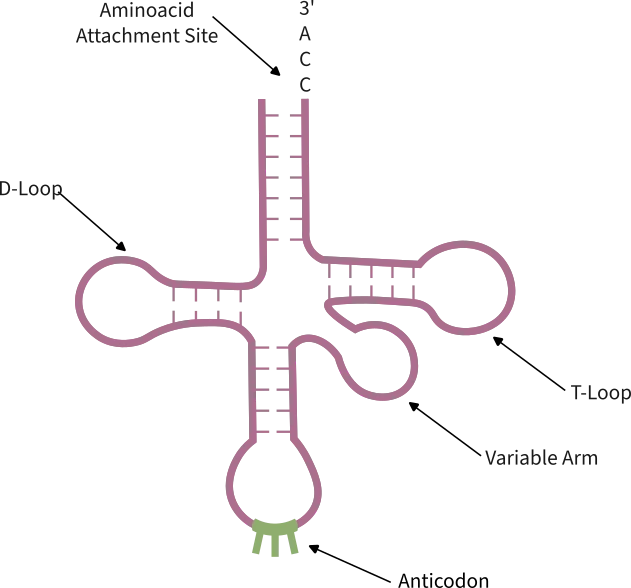
tRNAs are among the most extensively chemically modified RNA molecules with each tRNA carrying on average more than a dozen different post-transcriptional modifications. These modifications are introduced both co- and post-transcriptionally by a set of specialized enzymes and are distributed across both the core and the anticodon loop of the tRNA. Modifications play many important functions, contributing to the correct folding and structural stability of the tRNA molecule, and the accuracy of codon-anticodon recognition during translation. The presence of modifications can be regulated dynamically in response to changes in conditions, such as cellular stress, metabolic state, and developmental stage. Dysregulation of tRNA modifications has been increasingly implicated in human disease, including cancer and neurological disorders.
Traditional transcriptomics, when paired with translatomics approaches such as ribosome profiling (Ribo-seq), has significantly broadened our understanding of gene expression and protein synthesis. Yet tRNAs remain a consistently underappreciated layer of gene regulation. The abundance, modification status, and aminoacylation levels of tRNA species all contribute to the fine-tuning of translation, shaping both the efficiency and fidelity of protein synthesis in ways that upstream measurements alone cannot capture.
Without the ability to precisely quantify tRNA populations and their functional states, our understanding of translational regulation remains incomplete — creating a risk of misinterpreting the mechanisms that drive cellular responses. These blind spots carry real consequences: in drug discovery and preclinical development, an incomplete picture of translational control can introduce inefficiencies that slow the path from biological insight to therapeutic candidate.
What is tRNA Sequencing?
tRNA sequencing (tRNA-seq) is a next-generation sequencing technology designed to deliver quantitative insights into tRNA biology — capturing tRNA abundance, aminoacylation status, and post-transcriptional modifications within cells. Unlike standard RNA sequencing approaches, tRNA-seq is specifically engineered to overcome the technical barriers inherent to tRNA research, including the highly stable secondary structures and pervasive chemical modifications that typically confound sequencing workflows. Beyond measuring the abundance of individual tRNA species, tRNA-seq resolves the precise positions of functionally critical modifications, revealing how cells dynamically remodel their translation machinery in response to physiological demands or pathological conditions.
Key Benefits
- Quantify tRNA expression and charging status to assess translational capacity and amino acid availability.
- Resolve tRNA modifications at nucleotide resolution, uncovering regulatory marks that govern tRNA stability and decoding efficiency.
- Link tRNA pool dynamics to translational control, revealing adaptive responses across diverse physiological and disease states.
Key Features
- Quantitative Profiling: tRNA-seq delivers high-resolution quantification of tRNA abundance across cell types, tissues, and treatment conditions, enabling precise comparisons that illuminate how tRNA pools are dynamically regulated.
- Modification Detection: The method captures post-transcriptional modifications at defined positions - including N1-methylguanosine (m1G), N1-methyladenosine (m1A), and N3-methylcytosine (m3C) - providing direct insights into how these marks influence tRNA stability, translation fidelity, and decoding efficiency.
- Aminoacylation Status: tRNA-seq quantifies the fraction of aminoacylated (charged) tRNAs, offering a direct readout of functional tRNA availability for active translation — a key parameter for understanding translational regulation and its downstream impact on protein synthesis.
- Broad Applicability: The technology is applicable across a wide range of biological contexts, from dissecting fundamental mechanisms of gene expression regulation to interrogating disease models including cancer and neurodegenerative disorders.
Why most tRNA methods only tell half the story
Delivering on this is harder than it sounds. tRNAs are the hardest RNAs in the cell to read well - highly structured and carrying more than a dozen chemical modifications each - and most established approaches capture only part of the picture Mass spectrometry is very sensitive to modifications, but it requires the tRNA to be fragmented, so it reveals that a modification is present without telling you which or where a tRNA carried it. Standard next-generation sequencing has the opposite problem: it relies on copying RNA into cDNA, a step that is effectively blind to modifications and that introduces amplification bias along the way. Targeted modification-specific sequencing helps, but it can only see a handful of modification types at a time — mainly those that disrupt Watson–Crick base pairing.
These limitations do not apply to nano-tRNAseq. By reading the native, full-length tRNA molecule directly as it passes through a nanopore, it captures both tRNA abundance and modifications from a single experiment. One run, the whole picture.
nano-tRNAseq — one molecule, the whole picture
nano-tRNAseq overcomes these limitations. By reading the native, full-length tRNA molecule directly as it passes through a nanopore - with no cDNA conversion and no fragmentation - a single run captures tRNA abundance, post-transcriptional modifications, and isoforms together. One experiment, the whole picture.
Originally developed by the Novoa Lab at the Centre for Genomic Regulation in Barcelona, the technology is now part of Immagina proprietary workflow. It sequences tRNAs in their full-length, native state, quantifying abundance and pinpointing post-transcriptional modifications and isoforms in a single workflow. Sequencing costs are reduced thanks to a 12-barcode multiplexing strategy.
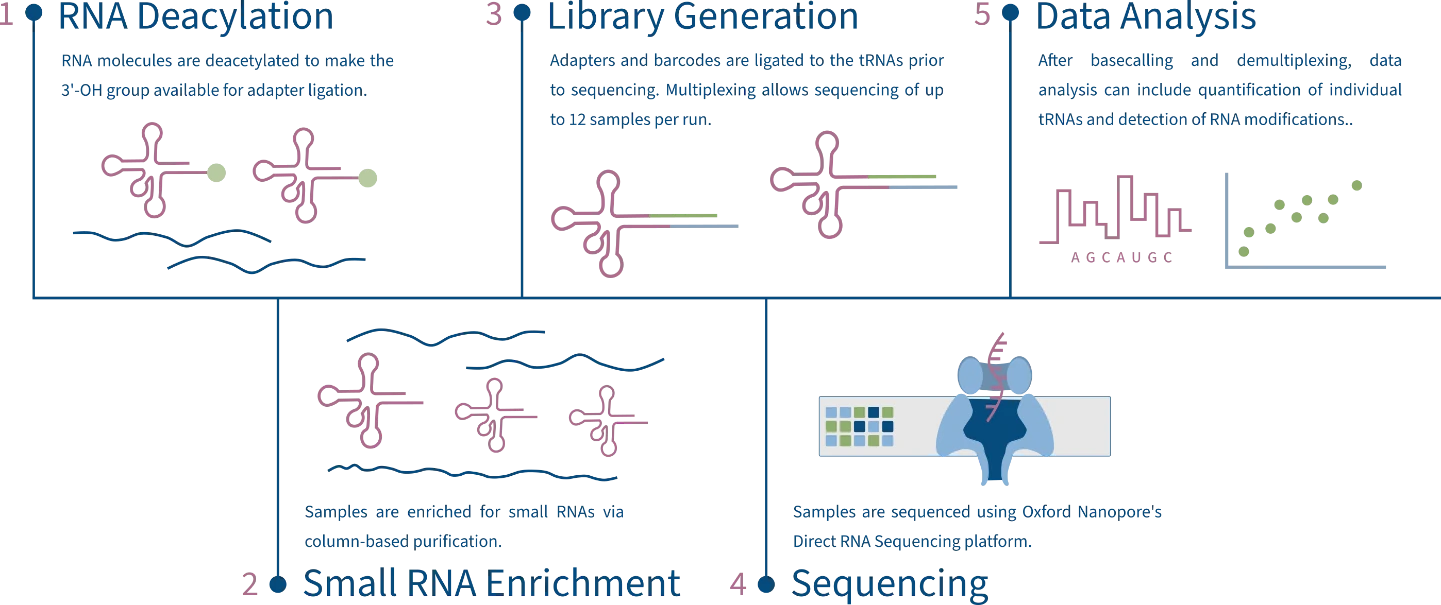
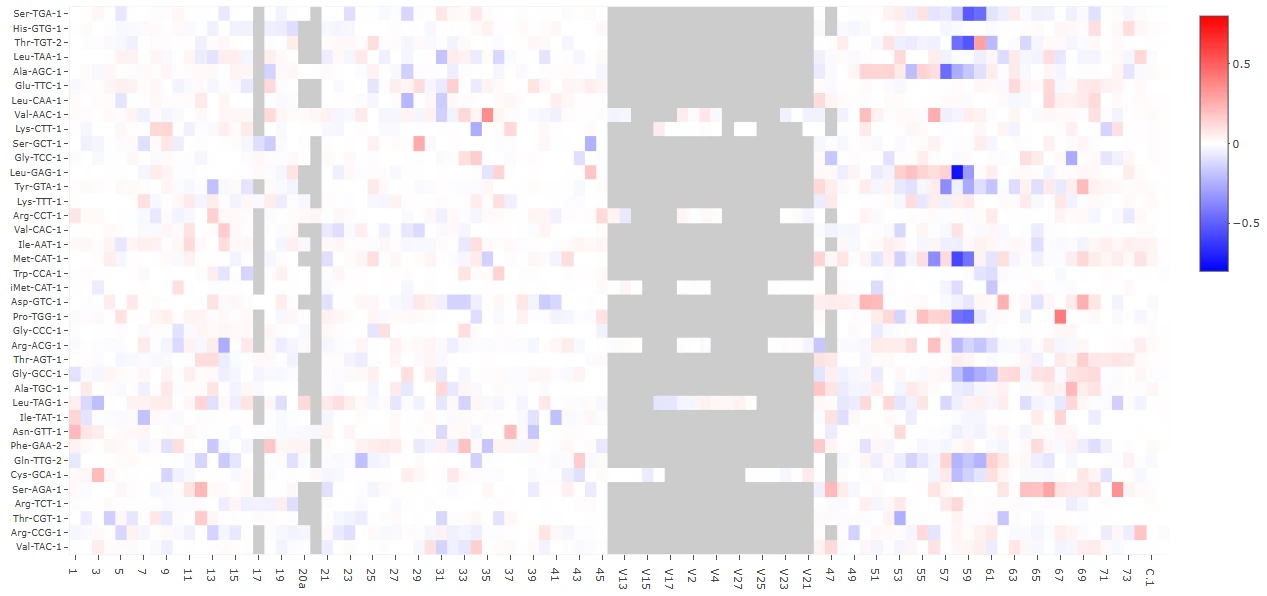
Because each modified base distorts the nanopore's electrical signal in a characteristic way, modifications can be mapped to their exact position. Two different approaches have been used for modification calling in tRNA DRS data. The first is the quantitative analysis of base-calling error rates. High error frequency at a specific position can indicate the presence of a modification distorting the current signal that prevents the base-caller from assigning the corresponding nucleotide. The second approach involves base-calling models that directly identify the modification from the current signal. Ongoing improvements in pore chemistry and base-calling algorithms are extending the range of detectable modification types and improving calling accuracy. As modification-calling models continue to improve, it will be possible to reanalyse previously generated data to detect additional or newly characterized modifications without the need to re-sequence the original samples.
Ribo-tRNAseq
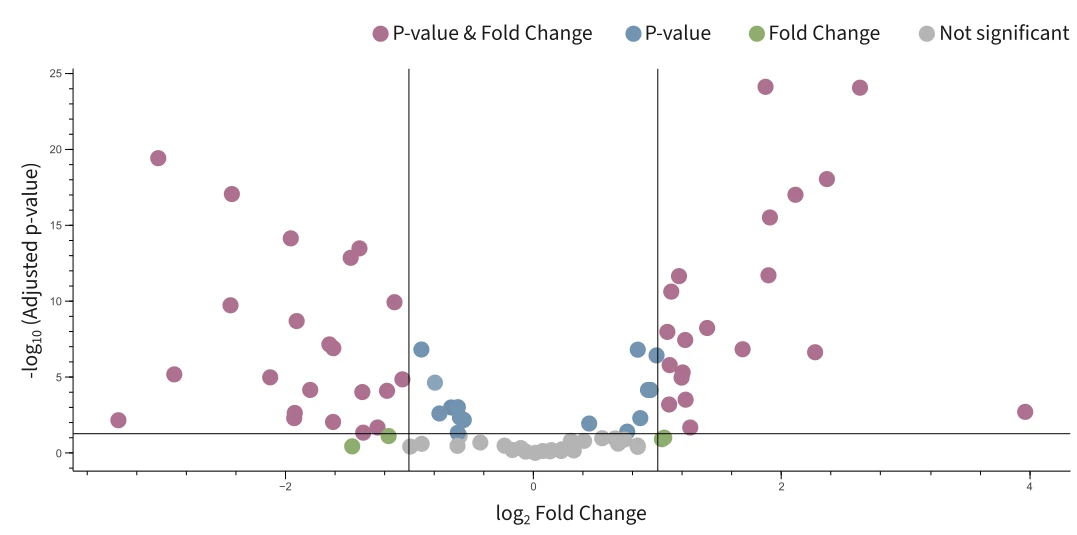
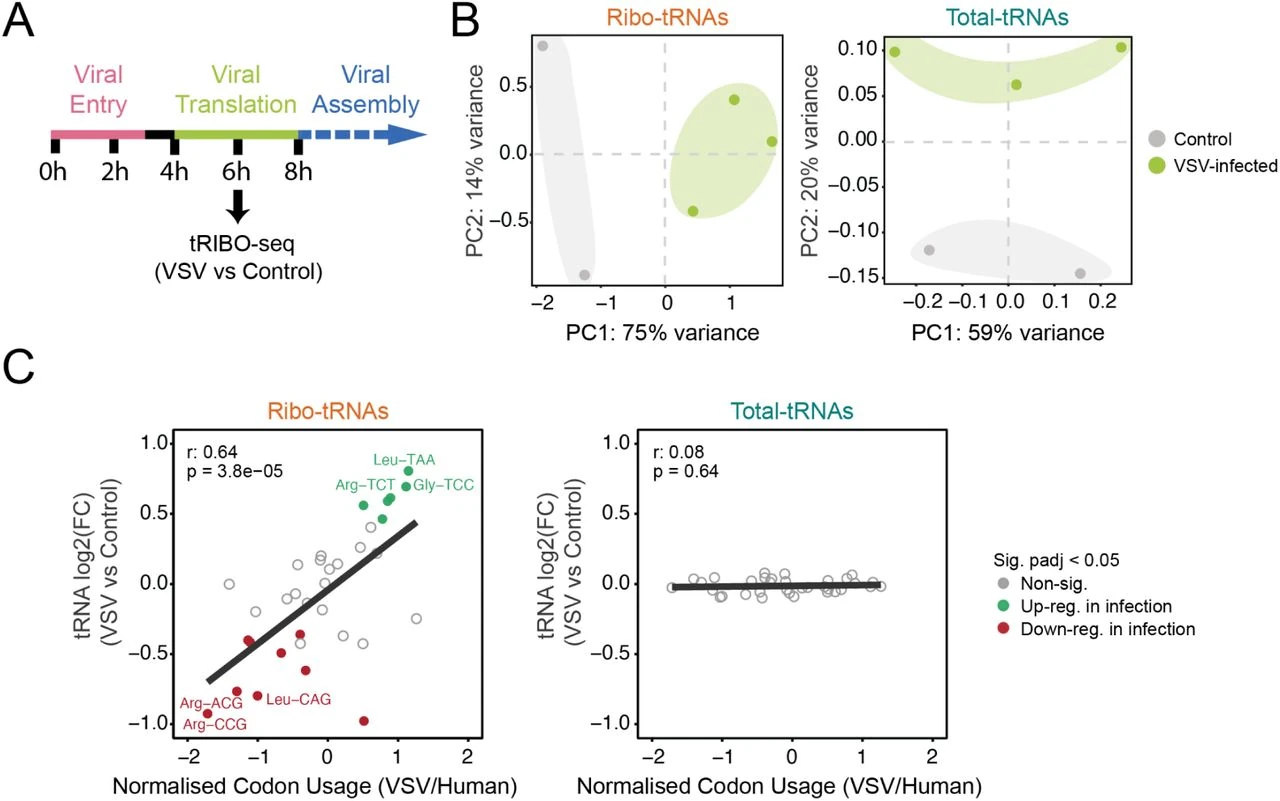
Ribo-tRNAseq is a variation of the Immagina Biotech’s nano-tRNAseq workflow. Ribo-tRNAseq asks the question that matters for translation: not which tRNAs are available, but which ones are in use. It does this with RiboLace, Immagina's antibody-free, tag-free pull-down strategy, to capture only the tRNAs engaged with actively translating ribosomes, then reads them with the same native nanopore chemistry. Why this distinction is not academic: under stress, the active pool can be completely rewired while the total pool looks reassuringly unchanged. In the recent study introducing the method, viral infection reshaped the ribosome-bound tRNAs to match the virus's own codon demand while total tRNA levels barely moved; amino-acid starvation reshuffled specific ribosome-associated isoacceptors; and oxidative stress triggered selective fragmentation of ribosome-embedded tRNAs — all signals that bulk tRNA sequencing simply missed. From a single sample, Ribo-tRNAseq reports tRNA abundance, modifications and fragmentation together, and the matched messenger-RNA footprints can be recovered from the very same material for direct codon–anticodon analysis.
tRNA Sequencing FAQ
1.How can we support?
ERA – through our trusted member Immagina biotech - provides end-to-end project support, guiding researchers from experimental design through library preparation, sequencing, and downstream data analysis. Our integrated bioinformatics service combines advanced computational pipelines with intuitive data visualization, ensuring that every tRNA-seq dataset is translated into clear, actionable biological insights.
2.What are the key applications of tRNA sequencing?
tRNA-seq is a versatile tool for interrogating translational regulation, disease mechanisms, aminoacylation dynamics, and biomarker discovery. It is particularly powerful for dissecting how shifts in tRNA pool composition — in terms of abundance, modification status, and charging levels — drive changes in protein synthesis and ultimately shape cellular function across physiological and pathological contexts.
3.How can tRNA sequencing support advancements in gene editing and gene therapies?
tRNA sequencing offers critical insights into the translational machinery of cells, making it a valuable resource for optimizing gene editing strategies and gene therapy design. By characterizing how tRNA abundance, modification status, and aminoacylation dynamics influence codon usage and translation efficiency, researchers can fine-tune therapeutic constructs for improved expression and safety profiles. Beyond gene editing, tRNA-seq supports the development of Advanced Therapy Medicinal Products (ATMPs) by delivering precise, cell-type-specific data on translational mechanisms — information that is pivotal for advancing regenerative medicine and enabling truly personalized therapeutic approaches.
References
- Aird, D., Ross, M. G., Chen, W. S., Danielsson, M., Fennell, T., Russ, C., ... & Gnirke, A. (2011). Analyzing and minimizing PCR amplification bias in Illumina sequencing libraries. Genome biology, 12(2), R18.
- Lucas, M. C., Pryszcz, L. P., Medina, R., Milenkovic, I., Camacho, N., Marchand, V., ... & Novoa, E. M. (2024). Quantitative analysis of tRNA abundance and modifications by nanopore RNA sequencing. Nature Biotechnology, 42(1), 72-86.
- Monti, M., Yilmaz, H., Del Piano, A., Arnoldi, M., Bonomo, I., Llovera, L., ... & Novoa, E. M. (2026). Selective profiling of translationally active tRNAs and their dynamics under stress. bioRxiv, 2026-03.
- Motorin, Y., Muller, S., Behm‐Ansmant, I., & Branlant, C. (2007). Identification of modified residues in RNAs by reverse transcription‐based methods. Methods in enzymology, 425, 21-53.
- Wang, Y., Tao, E. W., Tan, J., Gao, Q. Y., Chen, Y. X., & Fang, J. Y. (2023). tRNA modifications: insights into their role in human cancers. Trends in Cell Biology, 33(12), 1035-1048.