
In vitro transcription
In vitro transcription (IVT) is a key step in the manufacturing of mRNA therapeutics, enabling rapid, cell-free enzymatic synthesis of functional transcripts directly from DNA templates. Beyond vaccines for infectious diseases, IVT-produced mRNA is now an established modality to deliver personalized cancer neoantigen vaccines, protein replacement therapies for rare genetic diseases and for the transient expression of genome editing machinery like CRISPR-Cas9. For biopharma process development, the therapeutic efficacy and safety of these applications heavily depend on optimizing the IVT reaction to maximize transcript yield, guarantee high capping efficiency and minimize double-stranded RNA contaminants that trigger unwanted innate immune activation and toxicity. Similarly, the success of experiments in basic research or industrial R&D settings strongly depends on the quality of the starting reagents used, further reinforcing how critical is to have a robust IVT workflow in place.
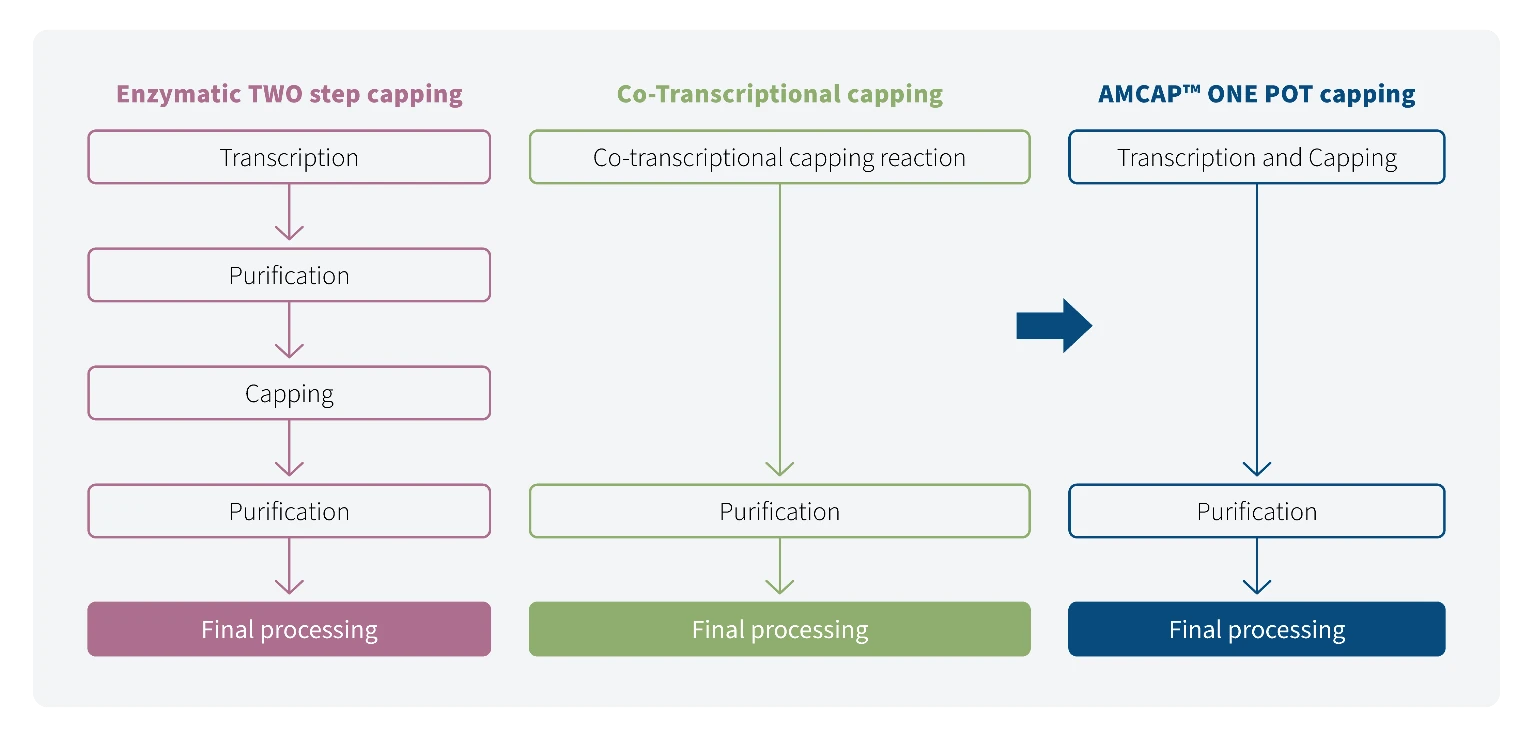
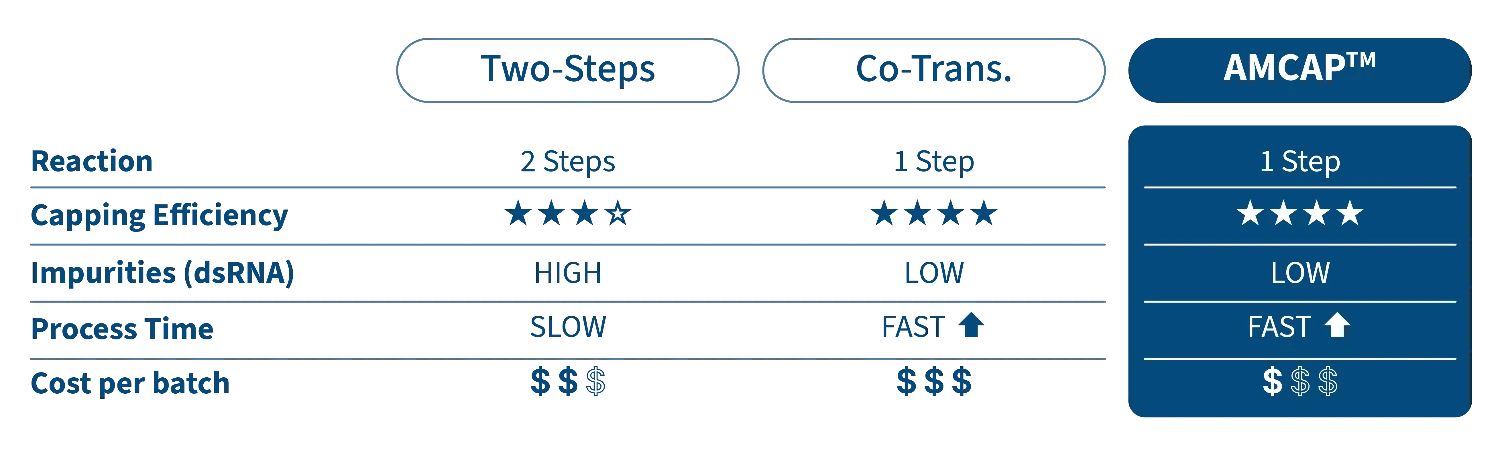
Synthesizing functional, low-immunogenicity mRNA at scale requires balancing total yield, transcript integrity, and capping efficiency. Inefficient capping or high levels of double-stranded RNA (dsRNA) contaminants trigger innate immune pathways and diminish translational output. Anemocyte has developed AMCAP™, a proprietary, patent-pending technology that streamlines capped mRNA synthesis by combining all the necessary reactions in a single pot. Unlike standard two-step enzymatic methods, and similarly to co-transcriptional capping with cap analogs, AMCAP™ delivers efficiency, flexibility and high-quality results with fewer steps and lower costs (Figure 1). Its unique design reduces process time and downstream operations, while maintaining superior mRNA integrity. Capping efficiency and protein expression are comparable to methods based on co-transcriptional capping.
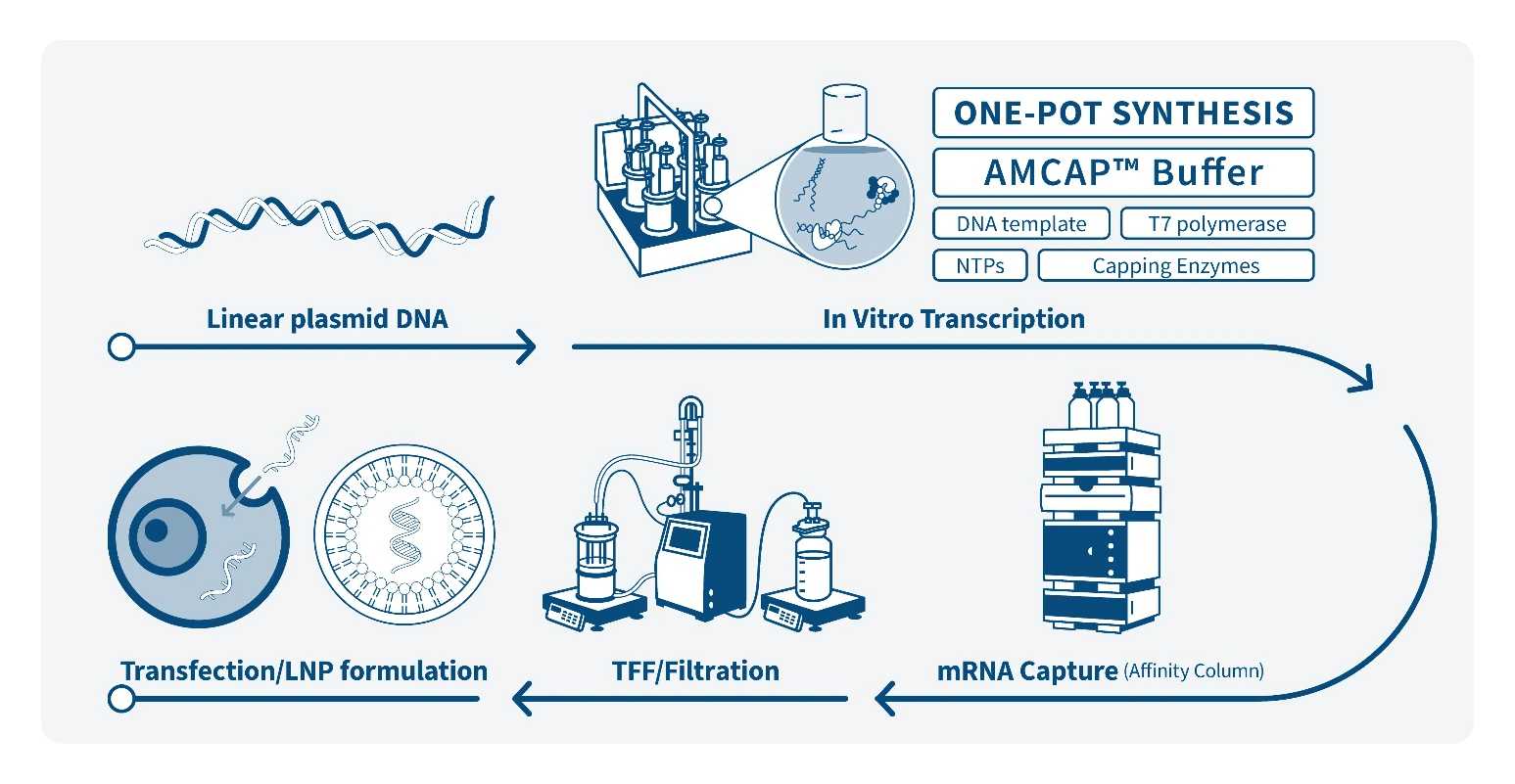
The main steps for in vitro mRNA preparation consist in DNA template generation, including all the functional elements that are then needed for efficient in vitro transcription of the desired RNA molecule. One-pot IVT and capping generates a translatable mRNA that is then efficiently purified from the reaction mixture using chromatography and tangential flow filtration (Figure 2). This final product is ready to be used for subsequent experimental steps such as transfection in cells or formulation into lipid nanoparticles for in vivo administration in animal models.
Step 1: DNA Template Preparation
Efficient production and downstream functionality of mRNA transcripts depend primarily from the correct design of the plasmid construct to be used as template during the IVT reaction. Critical parameters in template design, besides the optimization of the transgene sequence or the UTR sequences, include the correct inclusion of promoter and poly(A) sequences:
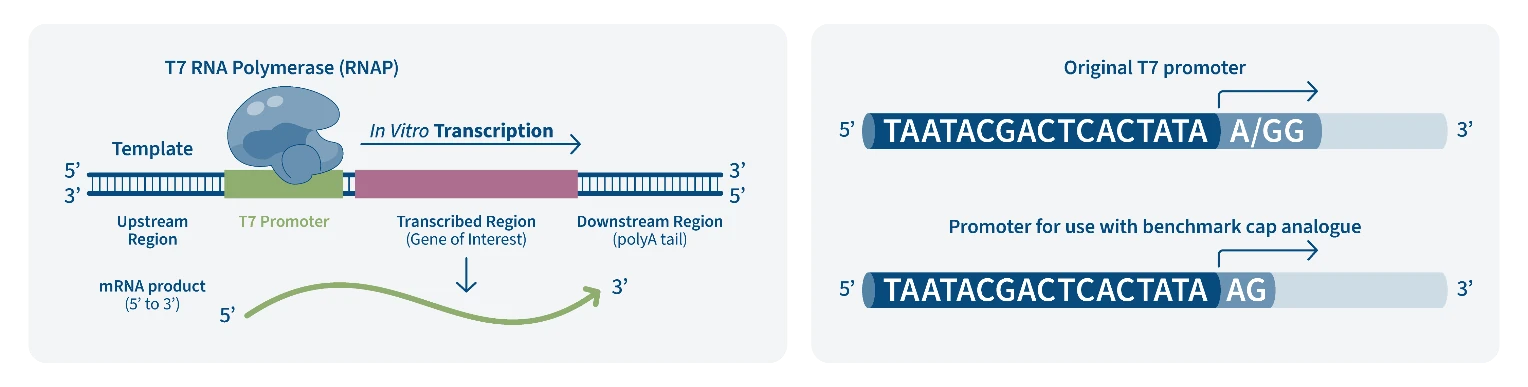
- Promoter Sequence Requirements: T7 polymerase specificity relies on a conserved consensus sequence (5’-TAATACGACTCACTATA-3’). Capping efficiency is heavily influenced by the +1 and +2 nucleotides directly following the promoter. Many co-transcriptional capping reagents have strict requirements on the initiator nucleotide (typically an AG dinucleotide) to allow correct incorporation of the cap analogue, imposing limitations to the final user. On the other hand, by exploiting enzymatic capping, AMCAP™ is compatible both with AG and more physiological GG initiators (Figure 3). The use of alternative RNA polymerases different from T7 RNA polymerase may require the inclusion of different promoters.
- Poly(A) Tail: a polyadenylation tract (typically 100–120 bp) can be encoded directly within the template vector to guarantee uniform tail length, eliminating the batch-to-batch length heterogeneity typical of enzymatic poly(A) tailing.
Before assembling the IVT reaction, plasmid DNA templates have to be linearized with a restriction enzyme (preferably generating either blunt ends or 5’-end overhangs) located immediately downstream the poly(A) sequence. This prevents the generation of run-through transcripts by the T7 RNA polymerase. Following digestion, the linear pDNA must be efficiently purified (A260/A280 ratio ≥ 1.8) to prevent premature polymerase dissociation especially during extended transcript synthesis and to remove any leftover circular parental plasmids that may lead to spurious contaminating transcripts.
Alternative templates which are suitable for in vitro transcription, particularly for small scale mRNA preparations, are represented by PCR products or synthetic dsDNA fragments. As for plasmid DNA, these linear DNA molecules have to contain all the functional elements required for T7 RNA polymerase transcription and have to incorporate a poly(A) tail of sufficient length.
To streamline the production of high quality and highly pure starting pDNA materials, Anemocyte can assist in manufacturing your IVT template of choice by providing dedicated services for plasmid DNA preparation (from R&D to GMP-grades), including linearized pDNA, according to the desired specifications. Ancillary in-house analytical services are available to ensure the highest quality standards for each batch. A suite of ready-to-use off-the-shelf linearized templates for the most common reporter genes (e.g. EGFP, luciferase, mCherry, beta-galactosidase) and enzymes (Cas9, Cre) is also available through the Anemocyte webshop.
Step 2: In vitro transcription reaction and capping
The purified linearized template DNA can now be used to set up an IVT reaction. The mix, besides the T7 (or alternative) RNA polymerase, includes a balanced blend of NTPs. Modified nucleotides, such as pseudouridine, can be included in the mix to obtain chemically modified transcripts with an improved immune profile which is particularly useful for in vivo activities or when transfecting sensitive cells.
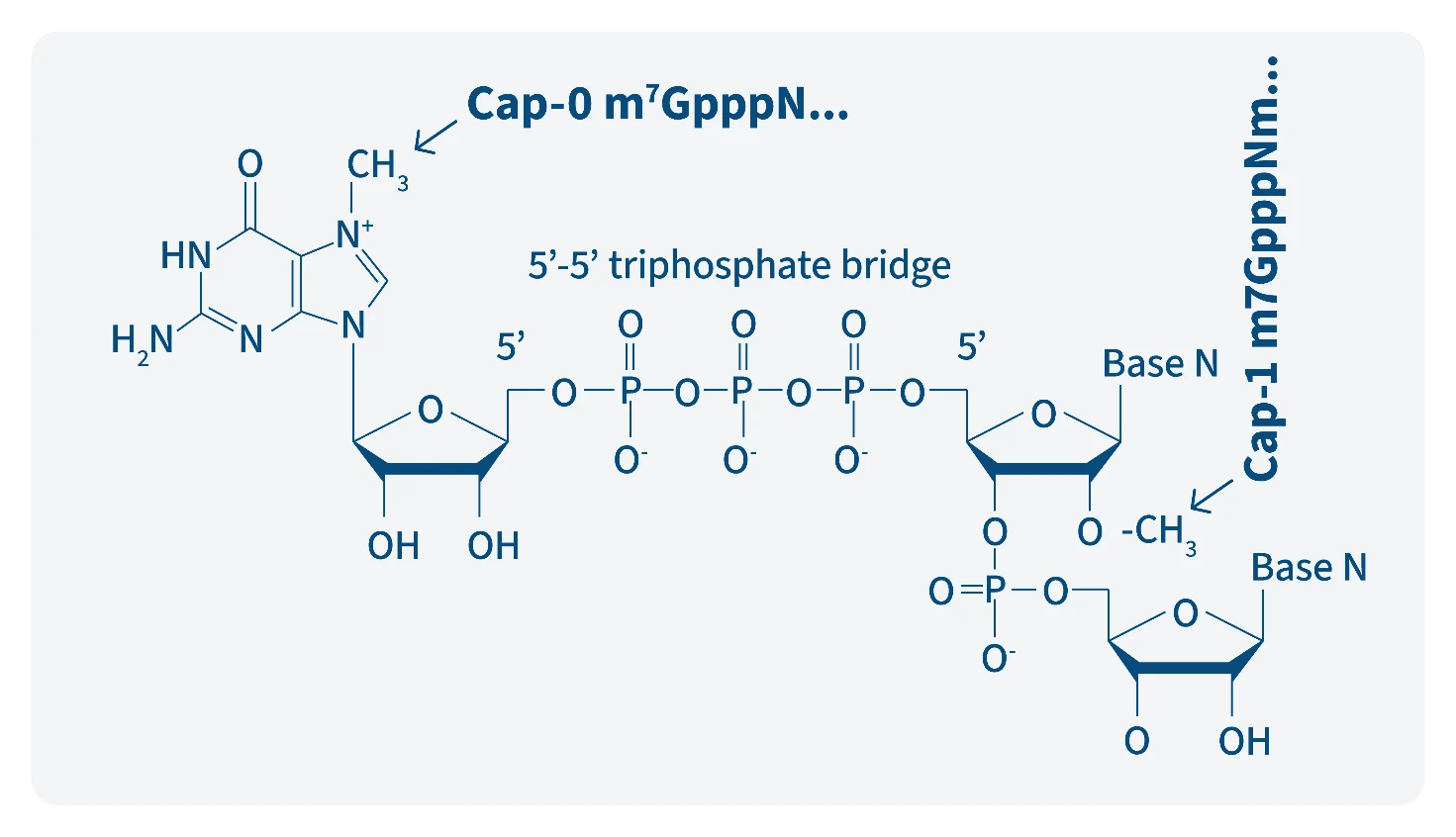
Efficient expression of the in vitro transcribed mRNA in cells requires the presence of a poly(A) tail of sufficient length (usually incorporated in the DNA template) and of a specific cap structure at the 5’-end of the molecule (Figure 4). Cap-0 structures (m7GpppN) protect mRNAs from 5'>3' exonuclease degradation and facilitates eIF4E binding for translation initiation. Cap-1 (m7GpppNm) adds a 2'-O-methylation on the first transcribed nucleotide. In eukaryotic systems, Cap-1 serves as a critical "self" marker: unmethylated Cap-0 or uncapped 5'-triphosphates (5'-ppp) activate RIG-I and IFIT1 innate immune sensors, triggering type I interferon responses and premature translational shutdown.
Capping of the transcripts can be obtained either co-transcriptionally by using di- or trinucleotide chemical cap analogues mimicking the Cap-0/Cap-1 chemical structures or by enzymatically installing a Cap-1 structure on the mRNA molecule post-transcriptionally (Figure 5). Traditional enzymatic capping relies on Vaccinia Capping Enzyme (VCE) and mRNA 2'-O-Methyltransferase in a secondary enzymatic reaction step, separated from IVT. This requires multiple purification steps which have a great impact on yields, costs and overall process time.
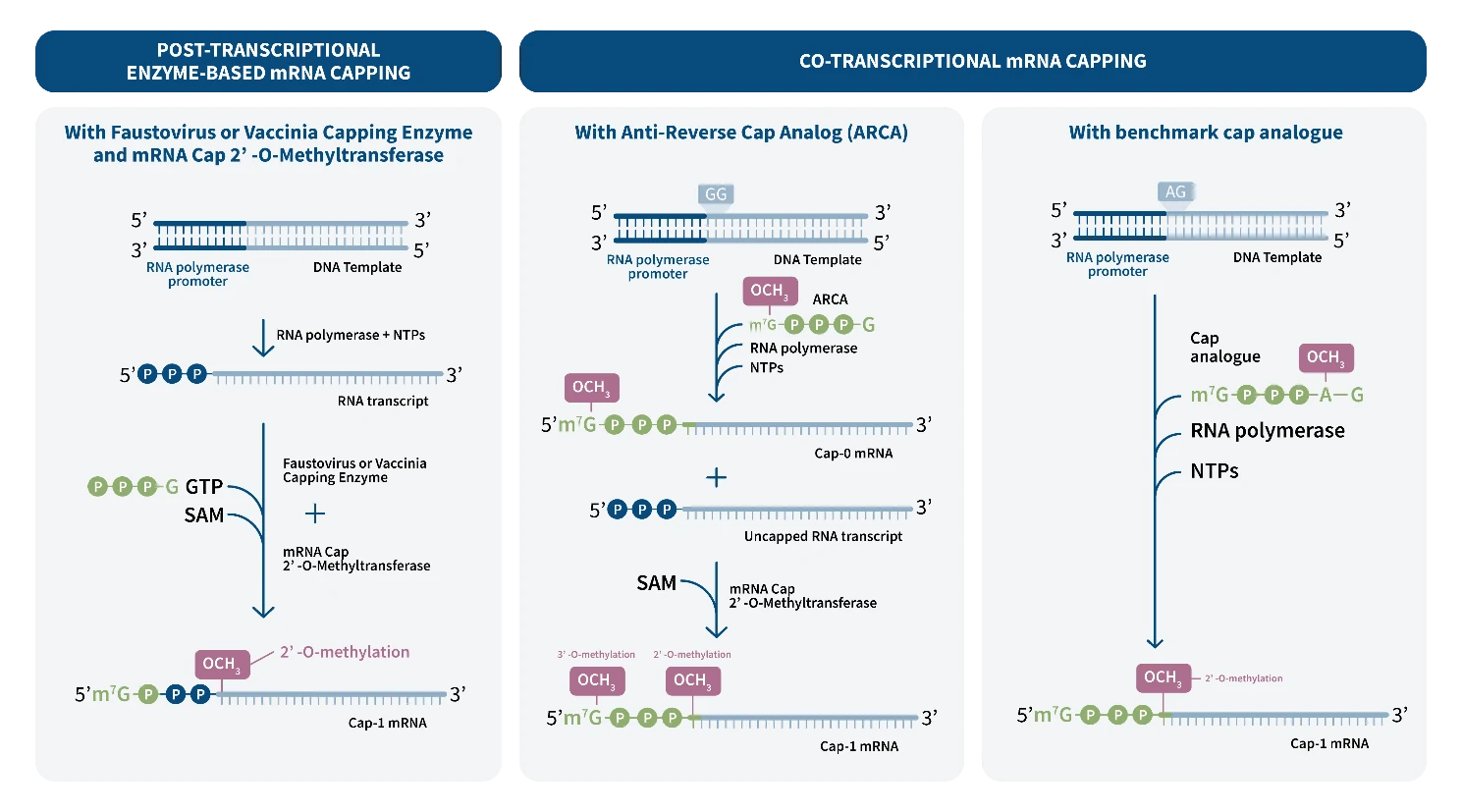
AMCAP™ streamlines mRNA capping by combining the advantages of enzymatic capping (reduced costs, increased flexibility) with the convenience of a single step transcription and capping reaction, typical of co-transcriptional capping using cap analogues.
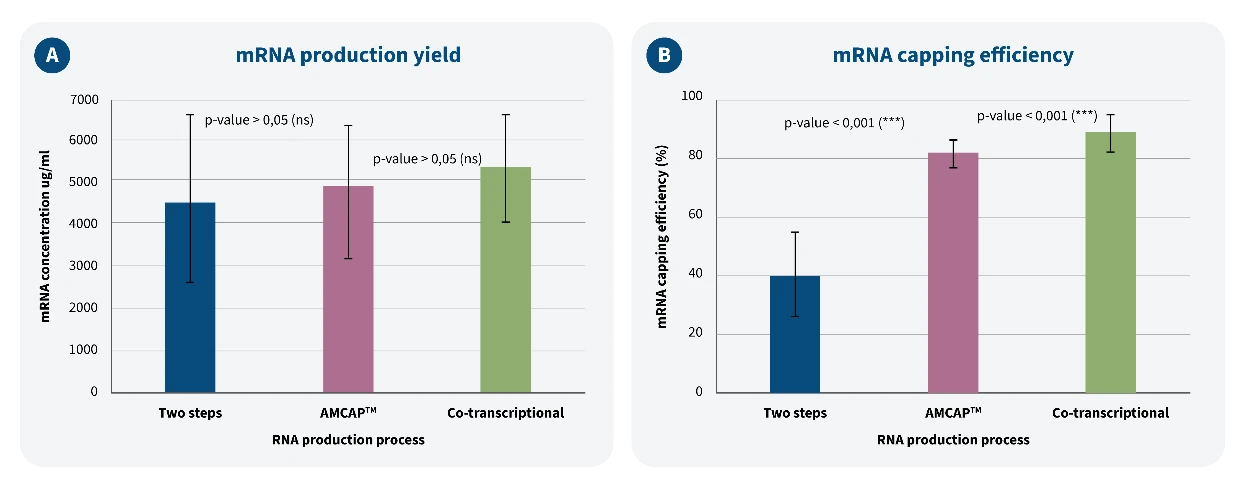
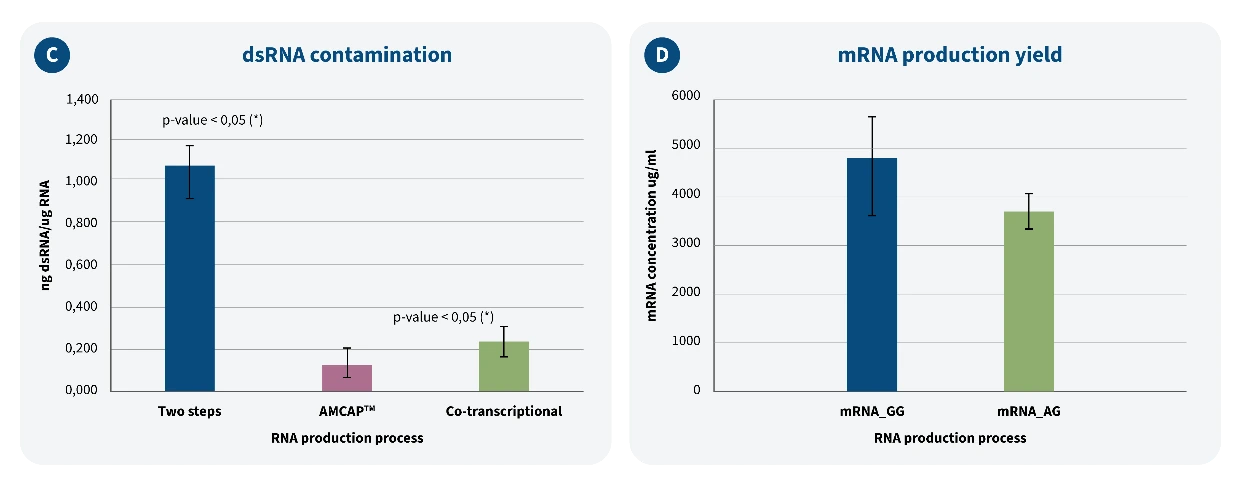
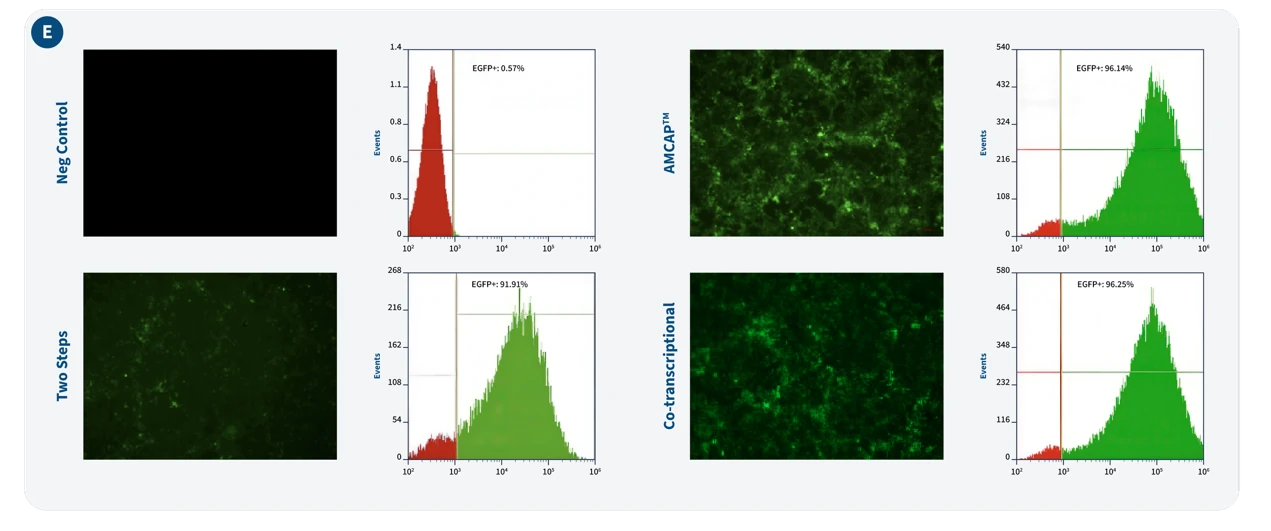
Anemocyte has extensively tested AMCAP™ to evaluate its performance in comparison with alternative capping methods. Similar yields and capping efficiencies were measured if compared to benchmark co-transcriptional capping protocols (Figure 6A-B). Additionally, by incorporating a dedicated engineered T7 RNA polymerase, AMCAP™ offers very low levels of dsRNA contaminants (Figure 6C), which are key to reduce immune-related toxicities. Importantly, AMCAP™ can also provide flexibility in terms of transcriptional initiation (AG vs GG initiators, Figure 6D). AMCAP™-produced mRNAs show high translatability when transfected in cell, demonstrating the high capping efficiency and quality of the transcripts (Figure 6E).
A ready-to-use IVT kit based on the AMCAP™ capping technology is available to directly produce in-house high-quality mRNAs starting from your template of choice.
Step 3: mRNA purification
Following enzymatic mRNA synthesis and capping, downstream processing (DSP) transforms crude reaction mixtures into high-purity mRNAs by clearing reaction components and process-related contaminants. An initial endonuclease digestion using DNase I can be used to break down the DNA template into micro-fragments, to facilitate separation from the desired mRNA.
For high purity final products, primary capture is routinely executed via oligo(dT) affinity chromatography, which selectively captures full-length polyadenylated mRNA through base pairing, efficiently separating the target transcript from unreacted NTPs, short abortive transcripts and residual recombinant enzymes (e.g T7 RNA polymerase, RNase inhibitors).
To address immunogenic byproducts, a secondary high-resolution purification — such as reverse-phase HPLC, hydrophobic interaction chromatography (HIC) or multimodal anion exchange — may be included to eliminate double-stranded RNA (dsRNA) species generated by spurious RNA-dependent polymerase activity.
Finally, the purified transcript undergoes tangential flow filtration (TFF) with ultrafiltration/diafiltration (UF/DF) membranes to clear residual elution salts or solvents, achieve desired concentration targets and exchange the mRNA into a stable formulation buffer optimized for long-term storage or immediate lipid nanoparticle (LNP) encapsulation.
Alternatively, at the R&D scale where rapid sequence iteration and screening are more relevant, downstream processing shifts to more streamlined micro-scale purification formats such as magnetic beads and spin columns. Following in-tube DNase I template digestion, oligo(dT)-conjugated magnetic beads enable direct capture of full-length, polyadenylated mRNA from the IVT reaction mixture on a standard benchtop magnetic rack. Additional options for small scale purification are represented by silica-membrane spin columns or carboxylated magnetic beads to deliver quick, high-yield total RNA purification. While these small-scale benchtop methods do not remove dsRNA and other contaminants as thoroughly as preparative chromatography, they produce highly concentrated mRNAs useful for cell culture transfections, analytical assays and rapid hit-validation screens.
Overall AMCAP™ offers distinct advantages over traditional enzymatic capping workflows, providing a streamlined protocol which reduces costs and hands-on time, with yields and capping efficacies which are comparable with state-of-the-art co-transcriptional capping using cap analogues (Figure 7).
By exploiting the AMCAP platform, Anemocyte can offer custom manufacturing services from small to large scale batches of R&D or GMP-grade mRNAs, as well as end-to-end solutions including plasmid DNA template cloning, manufacturing and linearization. In house analytical services complement this offer to ensure consistent quality standards for each batch. Additionally, off-the-shelf ready to use mRNAs of commonly used reporters (e.g. EGFP, mCherry, firefly luciferase) and enzymes (e.g. Cas9, Cre) are available for direct purchase.